
Phosphines are key ligands to create the catalytic activity of molecular metal complexes for numerous catalytic reactions useful in industry. Fast modifications of phosphines via catalyticC-H bond activation/functionalisation can easily lead to more active catalysts.
Interrupted hydrogenation of N-heteroarenes or nitroarenes allow fast reactions of reduction intermediates, depending on catalyst nature, leading to innovations in syntheses.The lecture will present innovations processes recently discovered on these two topics.
1.Phosphines and improved Phosphine-Metal catalyst activity
Ruthenium(II) catalysts promote sp?C-H bond activation and functionalisations ofarylphosphine oxides. Whereas Rhodium(I) catalysts allow the regioselective difunctionalisation of phosphine biaryl group C-H bonds leading to increased activity of Metal-Phosphine catalysts.
1.Reactions of interrupted hydrogenation intermediates and innovations in synthesis
homogeneous Ruthenium(II) catalysts in methanol and formaldehyde can be driven for partial hydrogenation of N-Heteroarenes for diastereoselective annulation of azaarenes, whereas heterogeneous Iridium based catalyst allows partial hydrogenation of N-heterocycles leading to γ-AminoAcids in the presence of 1,2-Dicarbonyls, By contrast Homogeneous Manganesecatalyst in the presence of Lewis Acid can offer the fast access to 2-Azabicyclo[2.1.1]hexanes.
Simply made supported Cobalt catalysts allow selective first step hydrogenation, with HCO?H,of abundant Nitroarenes, leading to 1,3-diaryl imidazolines, the NHC precursors. By contrast single atom Cobalt catalyst allows the formation, from Nitroarenes and HCO?H, ofhydroxylamines which can be trapped by alhehyde and alkyne to offer γ-Lactams synthesis. Supported Cobalt catalyst also allows the formation of hydroxylamine which can be trappedwith formaldehyde and acrylates to produce functional aminoacids.
嘉宾介绍
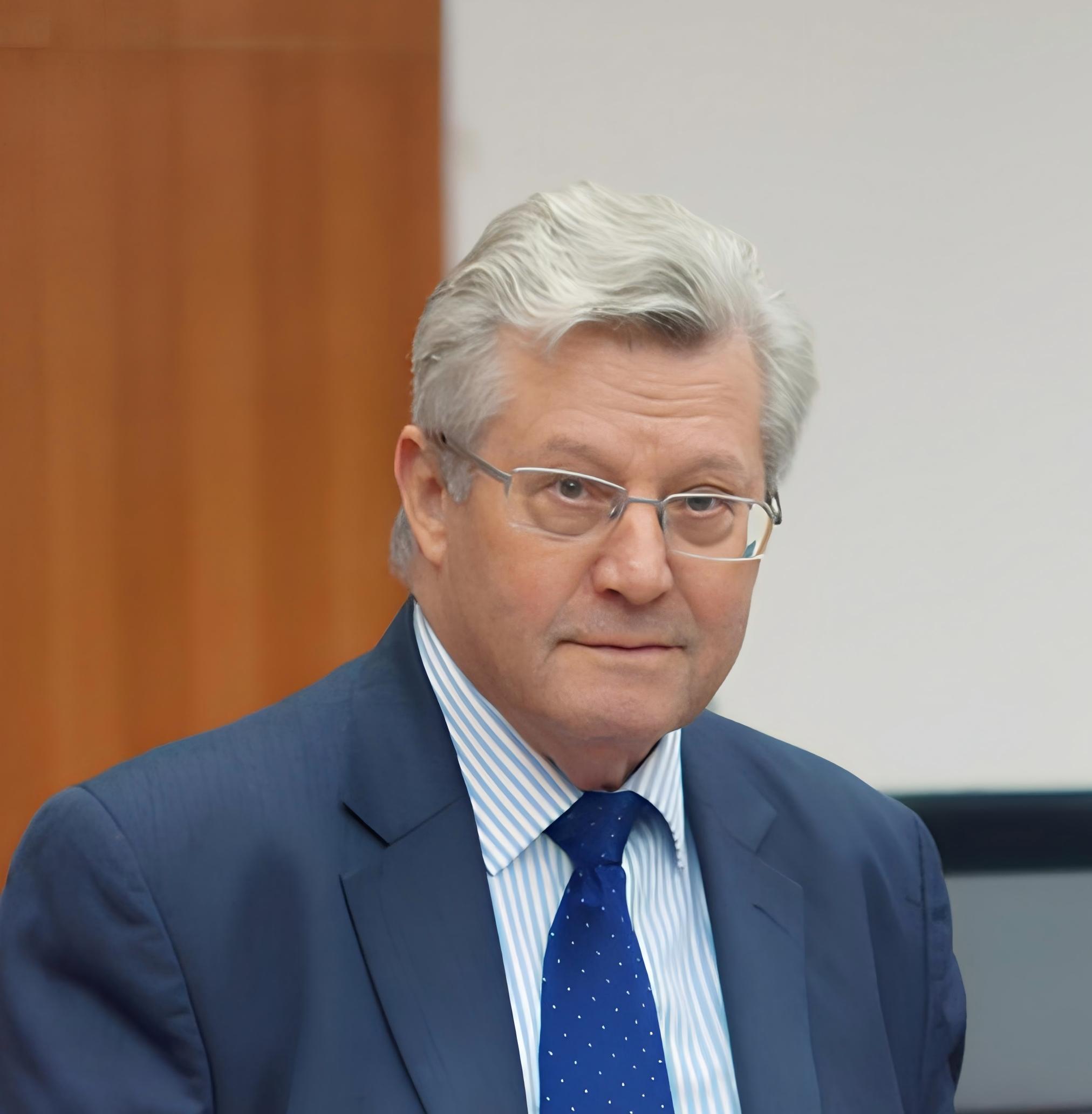
Pierre H.Dixneuf
欧洲科学院院士He was Scientific Deputy Director of CNRS Chemistry in Paris (1996-1999), he founded the CNRS-University of Rennes research Institut de chimie de Rennes in 2000 and was University of Rennes vice-president for research (2001-2004).
He has co-authored more than 490 publications and reviews, 120 dealing with Green C-H bond modifications, and co-edited 7 books. He published 76 publications with chinese students and chinese professors. He received international prizes from Germany, Italy, Spain, Portugal, R P China (CCS 2014), Taiwan, India, and from French académie des sciences. He is the foreign member of 4 academies of sciences in Europe and India.